
Implicit bias course for continuing education
See beyond assumptions. Strengthen your practice. Create a better client experience.

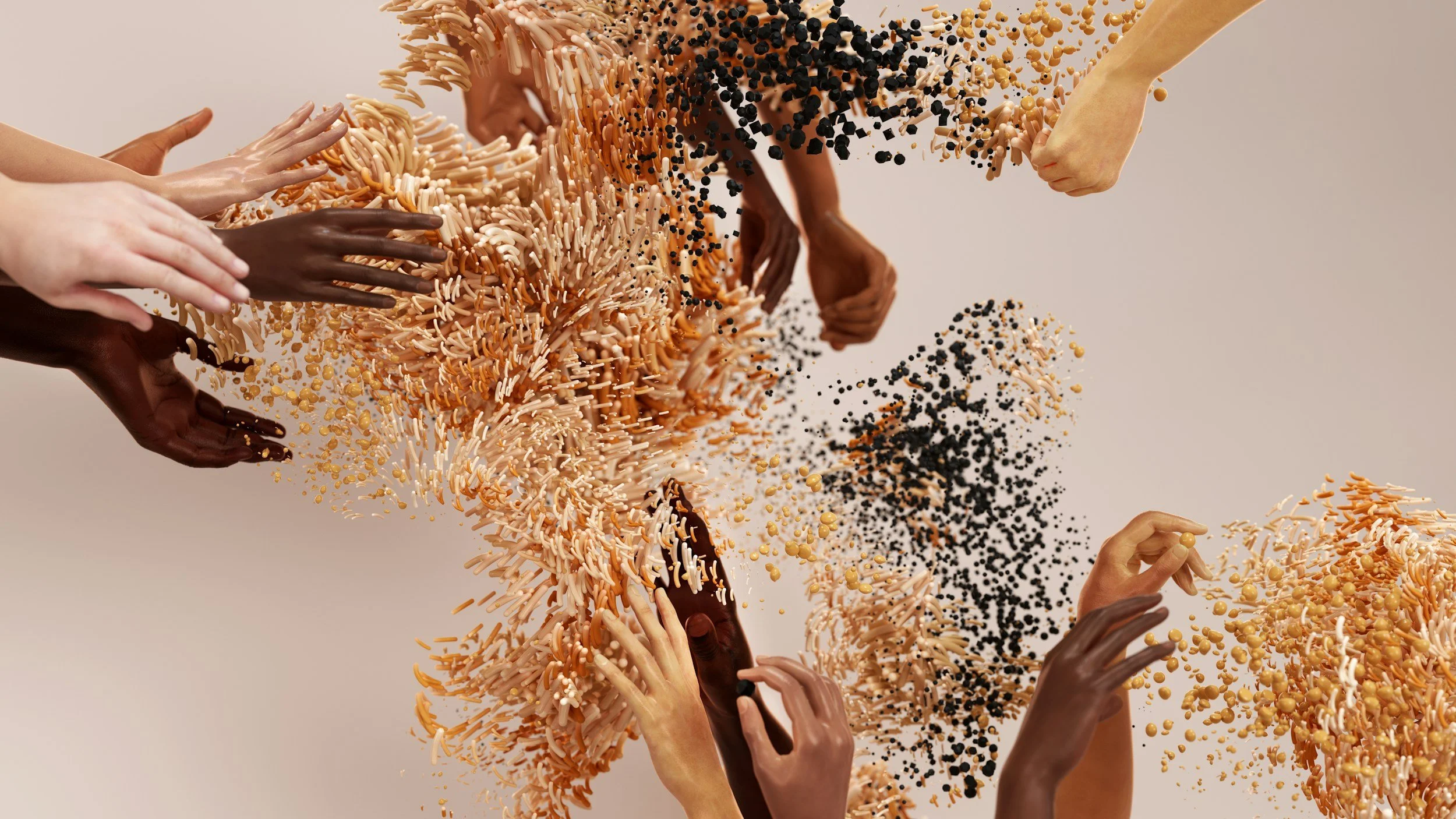

Explore how unconscious assumptions and biases can affect communication, treatment, and client experiences—and learn practical ways to recognize and address them in your massage practice.

Explore how unconscious assumptions and biases can affect communication, treatment, and client experiences—and learn practical ways to recognize and address them in your massage practice.
Advance your skills, Learn more about implicit bias today.
Every client deserves to feel respected, heard, safe, and valued during their massage therapy experience. While massage therapists strive to provide compassionate and professional care, unconscious assumptions and implicit biases can sometimes influence the way we communicate, interpret client behavior, or make professional decisions without us realizing it.
This course provides massage therapists with an opportunity to explore implicit bias and how it can appear in everyday professional interactions. Students will examine how experiences, cultural influences, stereotypes, and personal assumptions can shape perceptions and potentially affect the therapeutic relationship.
Through real-world examples and self-reflection, therapists will learn how to recognize potential biases, become more aware of their own assumptions, and develop strategies for more effective and respectful communication. The course also explores how bias can affect client comfort, trust, treatment experiences, and the overall therapeutic environment.
Special emphasis is placed on maintaining professionalism, respecting individual differences, communicating without assumptions, and creating an inclusive treatment environment while remaining within the therapist's professional scope of practice.
By the end of the course, students will have a greater understanding of implicit bias and practical tools for recognizing and addressing bias in their professional interactions.
-
Understand what implicit bias is and how it differs from intentional or explicit bias
Recognize how unconscious assumptions can influence professional interactions
Identify common forms of implicit bias that may arise in healthcare and massage therapy settings
Explore how personal experiences, culture, and social conditioning can shape perceptions
Recognize how bias may affect communication, client comfort, trust, and treatment experiences
Learn strategies for identifying personal assumptions without judgment
Develop more mindful and effective communication skills
Understand the importance of avoiding assumptions about clients and their needs
Explore ways to create a more welcoming and respectful treatment environment
Learn how to respond professionally when bias or misunderstanding affects a client interaction
Understand the role of self-awareness in maintaining ethical and client-centered care
Develop practical strategies for reducing the influence of implicit bias in everyday practice
-
This is the perfect course for therapists who want to work smarter, not harder—while offering an unforgettable client experience.
-
Awareness of implicit bias can help massage therapists build stronger therapeutic relationships, communicate more effectively, and create an environment where clients feel respected and comfortable. Developing this awareness supports professionalism, ethical practice, and a higher standard of client care.
-
📍Self-paced Online Learning - Complete at your own pace with guided instructional videos and resources
📍Hands-On Training Assignments - Submit practice videos or reflection questions to reinforce Learning.
📍Final Exam, Certification and Continuing Education credits - Upon successful completion, you’ll receive an Employment Certification from Fenton Massage Institute. As well as 1.50 CE credits.
📍Next Steps: Enroll today and start your journey to mastering massage therapy skills!